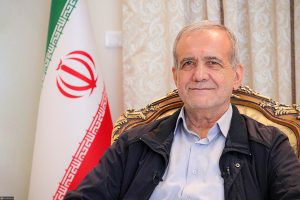
Iranian President Masoud Pezeshkian publicly dismissed a recent pledge by Israeli Prime Minister Benjamin Netanyahu to provide solutions to Iran’s water crisis—calling it “an illusion.” Netanyahu had framed the offer as contingent on political change in Iran, suggesting that “freedom” would unlock Israeli assistance.
President Pezeshkian’s response was swift and scathing. By labeling the promise an illusion, he signaled deep skepticism toward Israel’s intent and underscored the fraught diplomatic relationship between the two nations. Critics within Iran likely see the move as politically motivated rather than humanitarian—a strategy aimed more at posturing than solving a pressing environmental issue.
This exchange speaks volumes about the broader geopolitical landscape. Iran’s chronic water shortages are well-documented, resulting from a combination of prolonged drought, poor infrastructure, and climate change. Yet in a region defined by mutual distrust and geopolitical posturing, even humanitarian overtures are filtered through political lenses.
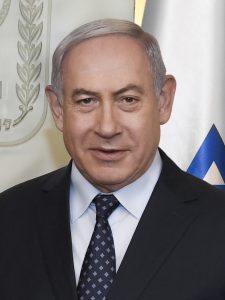
For Netanyahu, framing the aid as conditional on political reform cleverly intertwines international assistance with ideological leverage. For Pezeshkian, branding it an illusion reaffirms Iran’s resistance to what it perceives as external interference.
The outcome? A missed chance for a constructive humanitarian gesture, overshadowed by entrenched hostilities and political grandstanding. In a region where cooperation is rarer than conflict, both sides reinforced the barriers standing in the way of collaboration over shared existential challenges.