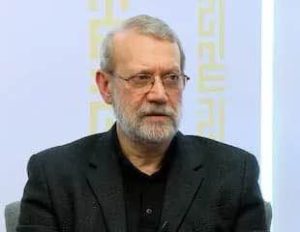
Tehran – On October 21, 2025, Iran’s Secretary of the National Security Council, Ali Larijani, announced the cancellation of a recent agreement with the International Atomic Energy Agency (IAEA) that would have allowed gradual resumption of inspections at Iran’s nuclear sites. The deal, reached in Cairo last month, was a tentative step toward transparency following years of stalled talks and heightened sanctions.
Larijani cited “unacceptable demands” from the IAEA and Western pressure as the reason for withdrawal, stating, “Iran will not tolerate interference in its sovereign nuclear program.” The move comes amid reports of Iran enriching uranium to near-weapons-grade levels, prompting warnings from Israel and the U.S. President Donald Trump’s administration has vowed to respond, with Secretary of State Marco Rubio calling it “a dangerous step backward.”
The cancellation risks reigniting diplomatic crises, as the 2015 JCPOA deal—abandoned by Trump in 2018—remains in limbo. Iran’s stockpile of enriched uranium now exceeds JCPOA limits by 20 times, per IAEA estimates. The international community, including France and Germany, urged de-escalation, fearing a regional arms race.