The story of Christians in Bhutan, a secluded nation in Asia, reveals a complex tapestry of faith and restriction. Nestled between China and India, this Buddhist-majority country, with its focus on “Gross National Happiness,” ranks among the world’s more oppressive environments for Christians, despite rare reports of physical violence. The ICC’s July 7, 2025, report highlights how this 1-2% Christian minority, largely ethnic Nepalis, faces subtle yet pervasive challenges. With no official churches and evangelism banned, worship occurs secretly, often drawing over 100 attendees to underground gatherings.
Bhutan’s isolationist stance, evident in its expulsion of over 100,000 ethnic Nepalis and denial of burial plots, reflects a deep resistance to external influence, including Christianity. The 2008 constitutional promise of religious freedom remains hollow, as societal attitudes and government monitoring stifle true liberty. Christians like “Andrew” from India, who discreetly supports them, note a rise in faith amid fears of reprisal, including job discrimination and fines for pastors.
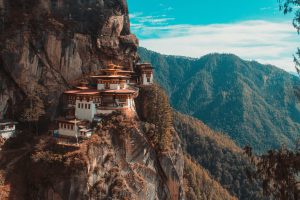
This resilience mirrors a quiet strength, thriving in a land of pristine air and Buddhist temples, yet devoid of Christian sanctuaries. The joy of faith coexists with uncertainty, as believers navigate a future shadowed by potential crackdowns. Bhutan’s carbon-negative footprint contrasts starkly with its spiritual intolerance, urging global attention to this overlooked struggle. As Asia’s “hermit kingdom” balances tradition and change, the international community must advocate for these faithful, ensuring their voices break through the silence.
“I will say to the Lord, ‘My refuge and my fortress, my God, in whom I trust.’” Psalm 91:2